


Tulane University prides itself on its prestigious academics, and rightfully so. With a graduation rate of 86% and an average starting salary of $77,000 for business school graduates, the school does have much to boast about. The university has dedicated funding and planning to its popular majors, like business, medicine and political science, while less popular STEM majors, such as engineering and computer science, have historically been neglected.
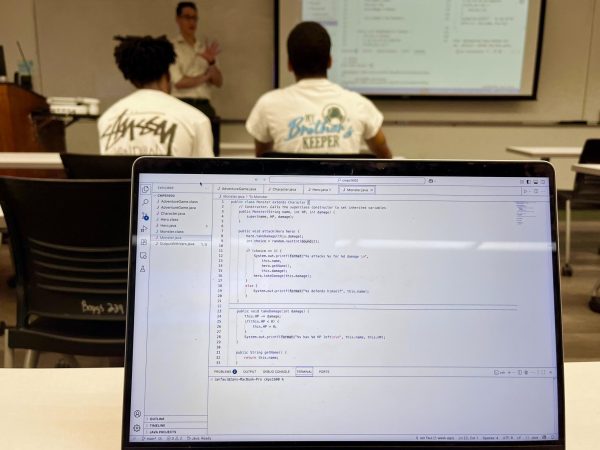
This year, however, Tulane is venturing down a different path with its recent implementation of a complete computer science major — previously only available as a coordinate to another department. As Tulane begins to pay more attention to its overlooked departments, it marks a potential first step in the university catching up to its peers and a new direction for the university’s academic strengths.
Computer science at Tulane has for many years been either a certificate or a coordinate major. The certificate only demands three courses in the department, acting as proof of learning the “fundamentals of computer science,” although not with the depth of a degree. The coordinate major, which was previously the only other option offered by the university, is not a stand-alone program, meaning that students who wished to study computer science were unable to major in it alone.
With this “coordinate major” came a whole host of problems, which greatly deterred students from pursuing the degree. For starters, it eliminated the university from the lists of any student who was interested in pursuing just computer science. Not allowing the department to stand by itself made the program feel “second tier,” as it did not exist individually, unlike majors in marketing, finance or public health.
As a computer science student who is currently pursuing the coordinate major myself, the change by the university comes both as an accomplishment and as a sign of the work Tulane has yet to do. Tulane acknowledging the field of computer science is only the first step. For serious change, the university must invest in faculty hires, course diversity and industry partnerships to make computer science a cohesive and competitive program. Tulane has proven that computer science is not a forgotten department, but the school must additionally implement substantial resources over time. Otherwise, the change risks being symbolic rather than substantive.