


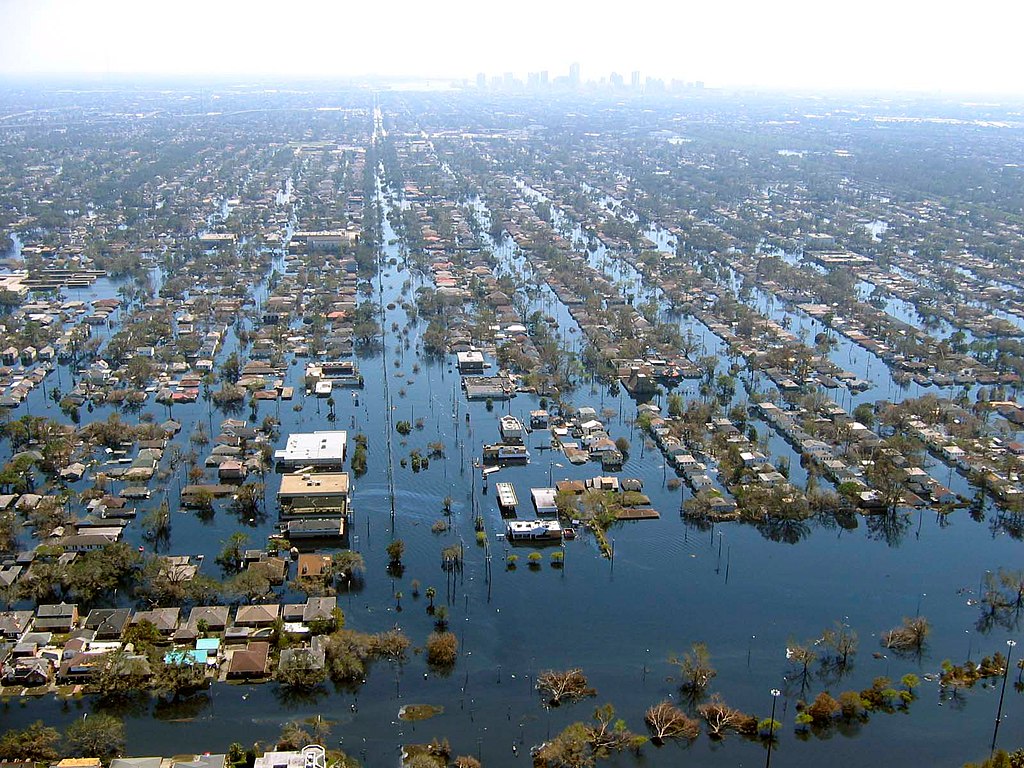
Twenty years ago, Tulane University students scattered across the country after Hurricane Katrina forced the university to close its campus.
As Tulane and New Orleans look back on the storm two decades later, questions remain about how ready the city and the university are for another storm. What if another Katrina-level hurricane hit New Orleans? How would the Federal Emergency Management Agency respond?
Since January 2025, the reduction of FEMA has been a goal for the Trump administration.
“We want to wean off of FEMA, and we want to bring it back to the state level,” President Donald Trump said in June.
The federal government has attempted to halt several FEMA grants, such as the Building Resilient Infrastructure and Communities program, though courts have kept BRIC grants alive for now.
Rebecca Rouse, the associate program director for emergency and security studies, said these are not wasteful programs.
“There was a philosophy that for every dollar we spent in mitigation, trying to fill gaps or vulnerabilities, you would save three or four dollars in response,” Rouse said.
The administration has also cut jobs from FEMA — 2,446 staff, including 24 top officials, left the agency between Jan. 1 and June 1, 2025, according to the U.S. Government Accountability Office.
Of note, 1,465 of these staff members took offers from the workforce reduction program implemented by the U.S. Department of Government Efficiency to quit their jobs.
Tulane could face difficulties in procuring federal disaster recovery grants in the event of a future storm.
“Tulane is closely monitoring proposed FEMA budget cuts and remains in active dialogue with local, state and federal officials to ensure our disaster recovery capabilities are not compromised,” Tulane spokesperson Michael Strecker said. “Tulane’s preparation and response to emergencies is always to protect the university community and mitigate impact. The possible loss of cost recovery from FEMA, does not mitigate the steps we will take to complete our mission.”
However, Cook, in response to being asked about how Tulane and FEMA would fare against another Katrina-level storm, said, “The way FEMA has been really weakened so much, I’m not quite sure it would be.”
“Compounding the recent proposed FEMA program cuts, it is important to note that FEMA employees are just as burned out as public health personnel, each playing major roles in the pandemic and all disasters,” said Stephen Murphy, director of the Center for Applied Environmental Public Health.
“The reduction in these workforces is simply untenable … The remaining FEMA workforce is also continually threatened, as we saw following Hurricane Helene that many of their personal addresses and information were leaked, causing substantial distress as they were personally threatened,” Murphy said.