


Don’t be fooled by Vogue’s values on “thought-provoking imagery and intelligent storytelling” or “supporting creators in all shapes and forms.” Vogue, a publication which was once known for setting cultural trends, is now embracing the use of artificial intelligence in art by featuring AI models. Yes, fake humans are now gracing the pages of one of the most influential fashion magazines.
A feature in Vogue has long been hailed as the pinnacle of success for models, designers and photographers. Since its founding in 1892, Vogue has been regarded as the world’s leading fashion publication, shaping style and cultural ideals across generations. Instead of continuing with what fans want to see — authentic ideas and people — Vogue seems to be changing the very definition of what it means to model.
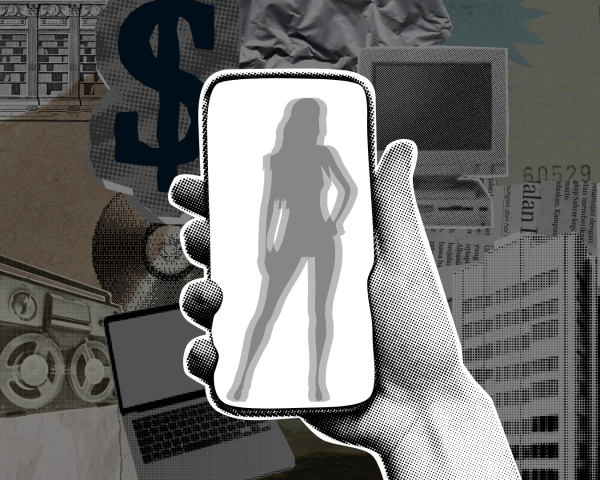
Why search for a model that has all the qualities they are looking for, when they can just generate one? Rather than give the thousands of aspiring models the role of a lifetime, the magazine has chosen to spotlight someone who does not exist. This model does not blink, eat or ask for pay. She’s the perfect employee in an industry which values physical perfection above all.
Is this just a way to utilize cutting-edge technology, or is this another argument on how AI is killing art? The fashion industry already struggles with representation and unrealistic beauty standards; this decision only pushes true inclusivity further out of reach.
The AI model featured in the Vogue print for a Guess advert was developed by Seraphinne Vallora, an AI marketing agency. Most people want — on some level — to look like the models they see in Vogue, but this digital creation makes that aspiration not just difficult but fundamentally impossible. The bar has been set beyond human existence. There is no way to even compare to a model who was engineered to embody algorithmic perfection.
Beauty standards set by non-human ideals is a dangerous precedent, especially for young impressionable women. Girls will identify what they want to look like from the cover of a magazine, just to learn that they can never look like that.
AI is becoming more ingrained in daily life. Even Tulane University has adjusted its policies to keep up with this technology’s rapid progression. The university recognizes that “all aspects of our modern world” are influenced by AI. The irony is striking that what was designed to serve human creativity is beginning to replace it. People keep questioning what beauty is if the reality in it is optional — just as students question the value of learning when the essay writes itself.
AI is undoubtedly everywhere today, and this technology is not going anywhere. While many institutions like Tulane are attempting responsibly regulate its use, publications like Vogue are choosing to glorify it. The magazine’s embrace of AI might appear progressive, yet in reality, it pushes the concern around beauty standards to be unattainable.
Fashion has always been reflective of the times, but now the times are machines that fashion mirror. Perfection in AI is generated, and creativity can be seen through codes. If AI has made its way into the glossy pages of Vogue, then maybe the next revolution in fashion will be programmable rather than wearable.