

The Trump administration’s U.S. Department of Education sent its “Compact for Academic Excellence in Higher Education” to nine elite universities on Oct. 1. The compact incentivizes universities to sign the compact with the promise of “preferential access to federal funds” if they agree to the compact’s policies. The administration has since opened the compact to all colleges in the United States.
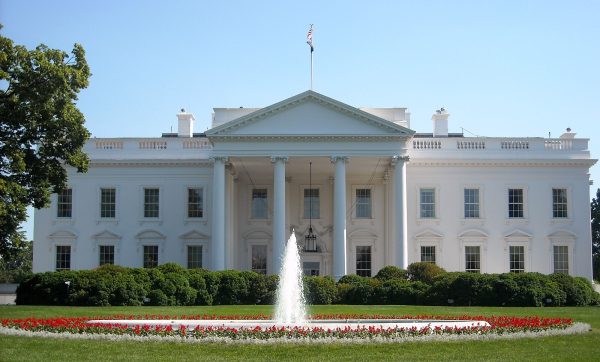
In other words, universities that agree to alter their policies to adhere to the administration’s ideological lines will receive special treatment.
Seven universities rejected the compact. Vanderbilt University said it has reservations, and only the University of Texas expressed unqualified interest in signing it.
Tulane University is aware of Trump’s proposal but has not been asked to sign anything, according to Tulane spokesperson Mike Strecker.
Some of the policy changes universities would have to follow if they signed include reinstating required standardized testing, limiting the number of international students and the ominous recognition that “academic freedom is not absolute.” The compact would also force universities to define gender “accordingto reproductive function and biological processes”.
In practice, the compact erodes diversity, equity and inclusion policies, progressive ideologies, the political and academic freedom of professors and gender-affirming practices for transgender people.
This compact allows the federal government to endorse certain ideologies by giving educational institutions more resources. That incentive, however, is not as frightening as an implied consequence: Universities that do not comply could be punished.
The compact is a veiled threat to universities that they may not receive funding. Researchers will subsequentlybe prevented from investigating urgent topics, and academia will lose its remaining integrity, if they fail tocomply with the administration’s ideologies. In fact, Vice President JD Vance, echoing former PresidentRichard Nixon, has called university professors an “enemy.”
In this uneasy time, Tulane cannot keep appeasing. It cannot keep ignoring. Every time it stays silent, it normalizes the erosion of intellectual freedom.
The fight for academic freedom and institutional independence will be a long battle with the Trump administration. Hundreds of university presidents signed a statement in April denouncing the administration’s “unprecedented government overreach and interference” in higher education following federal funding freezes related to DEI. Tulane’s President Mike Fitts was not among them.
With every new development in this battle between education and government control, Tulane has consistently been on the back foot.
Tulane owes its community, faculty and student body at the very least a written rejection of this compact. Tulane should be a leader in standing up to this administration. This would be especially brave for Tulane to do as a Southern university.
Yes, there is plenty to be afraid of in this political climate. Yet, fear of political backlash cannot justify inaction.
Tulane has been at the forefront of change in Louisiana across its history, and there is no reason to end thatlegacy now. Tulane ought to stand steadfast for intellectual freedom and education. It should not take angry student protests for Tulane to defend itself, independent education and free speech.
Ultimately, it is not sustainable for Tulane to give in whenever there’s friction. Tulane must meet with its student body, listen to its city and reflect further on its ideals to articulate what Tulane stands for. As free expression erodes nationwide, Tulane is the only thing that can stand up for Tulane.