

-
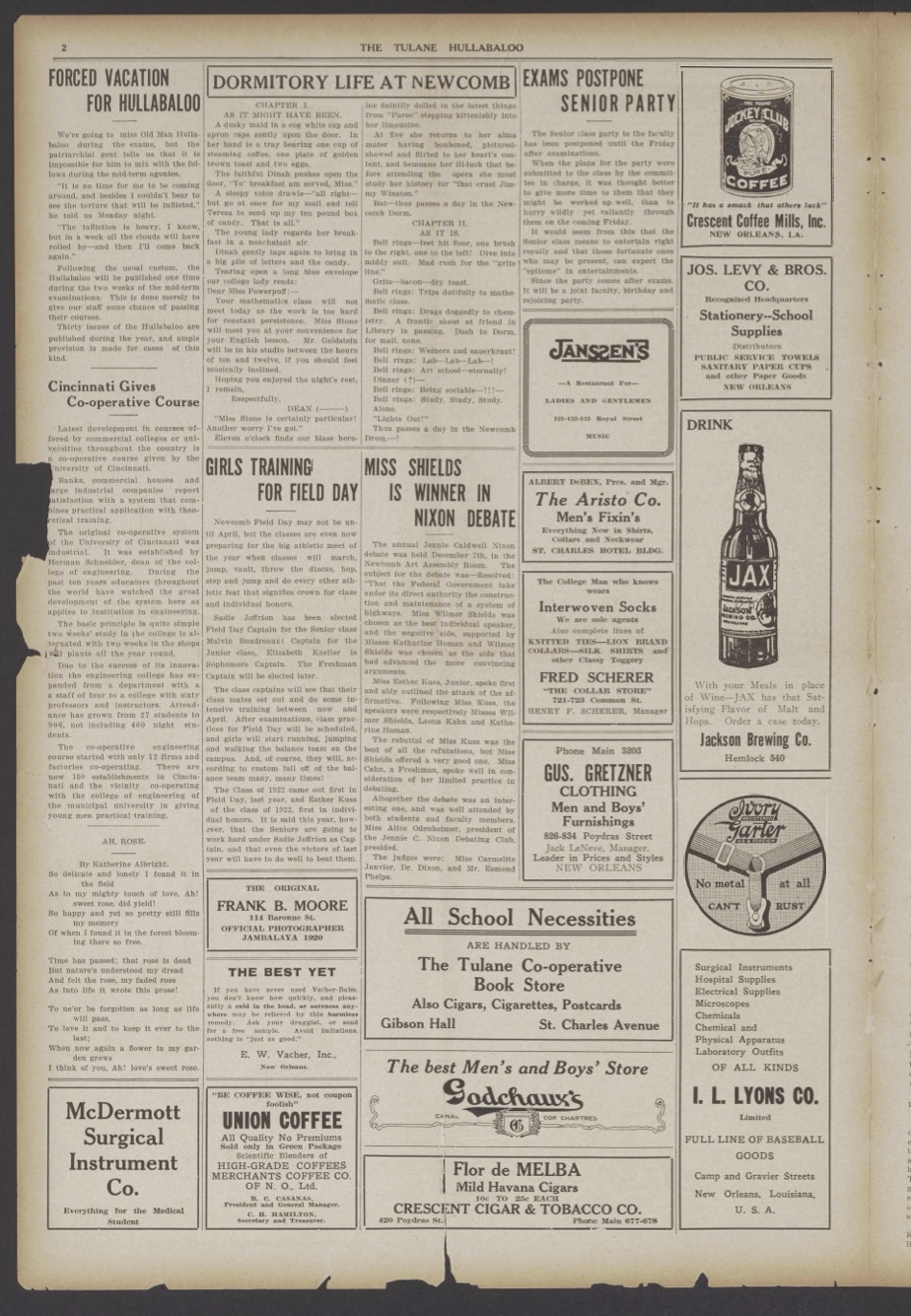
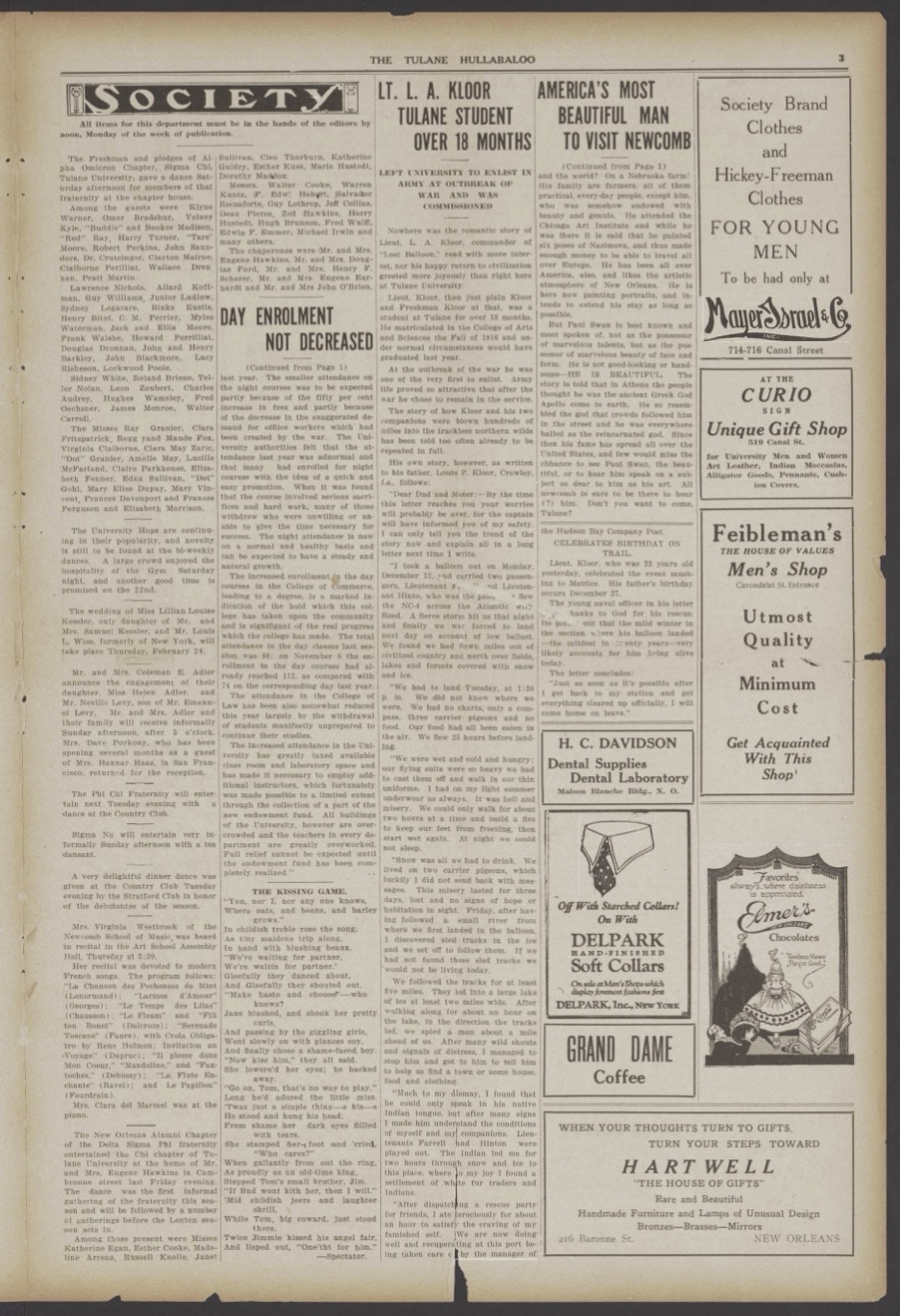
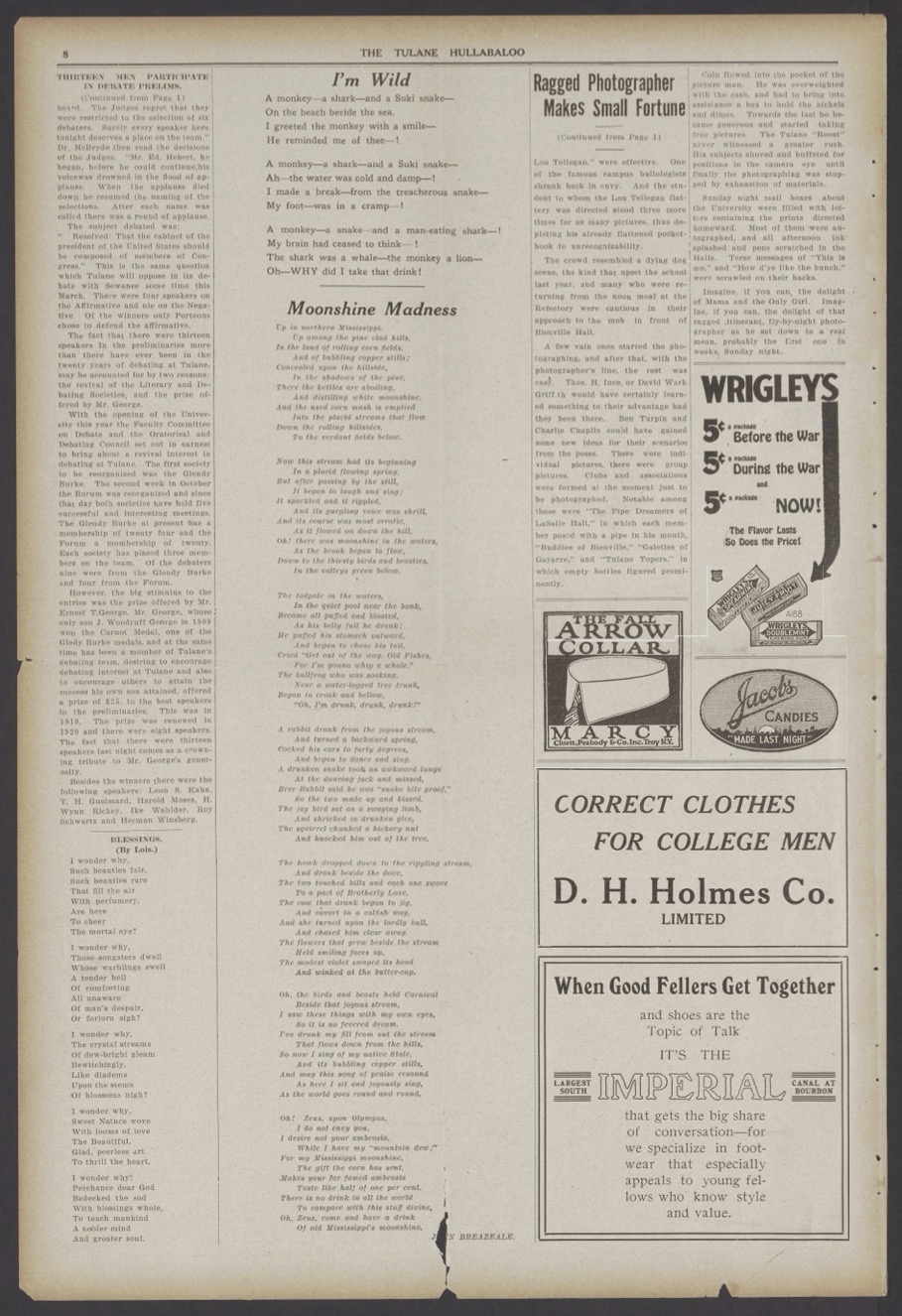
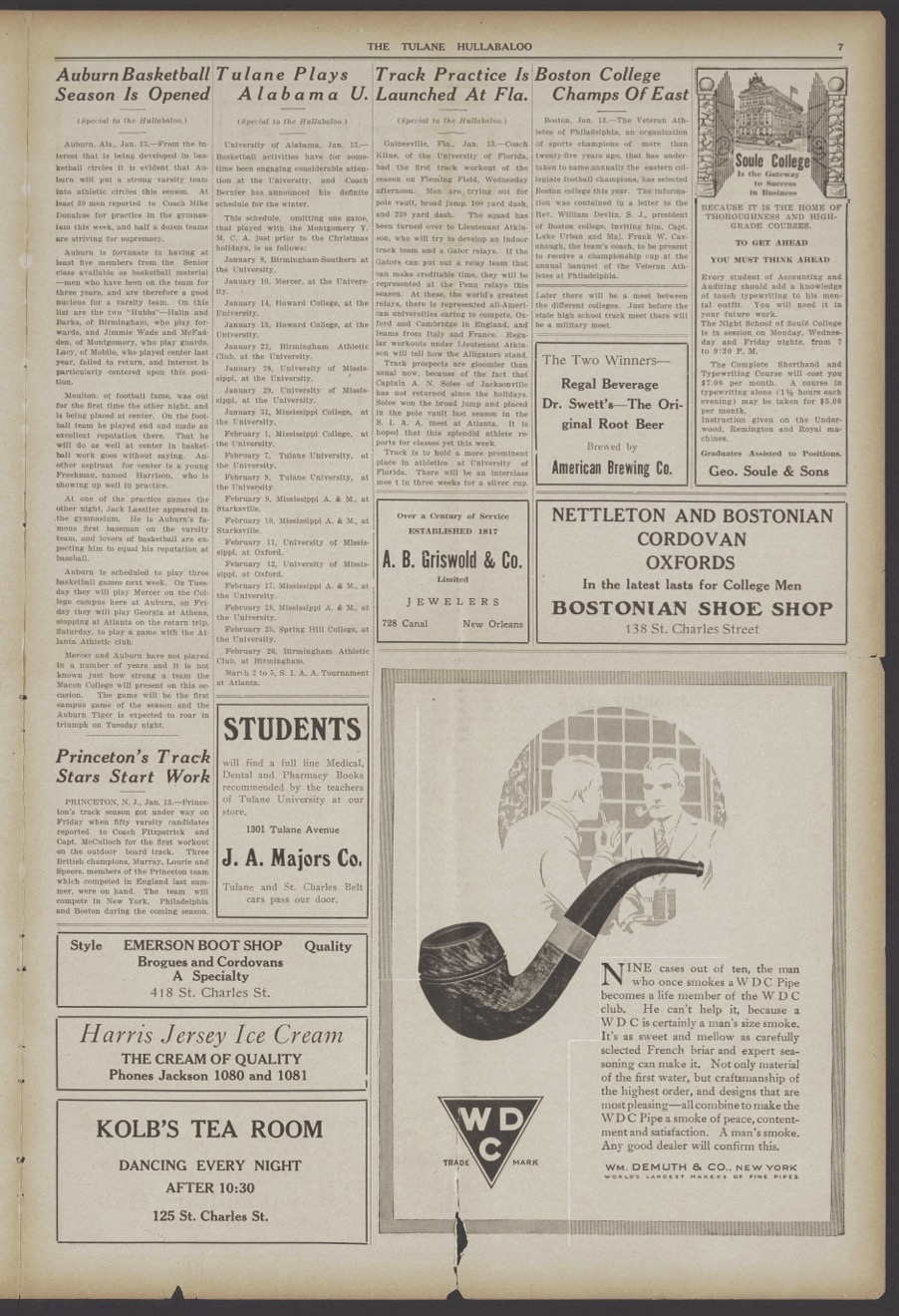
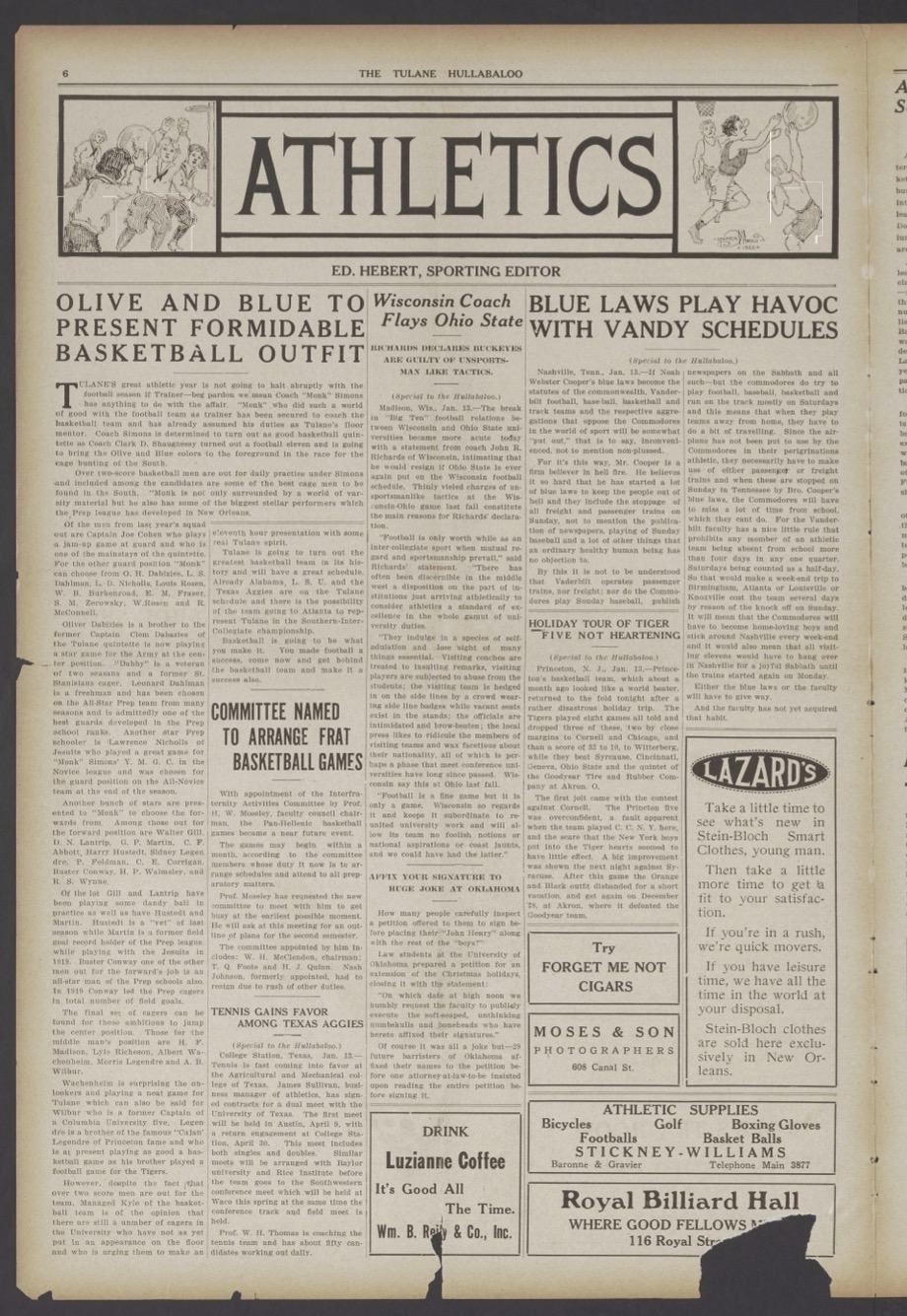
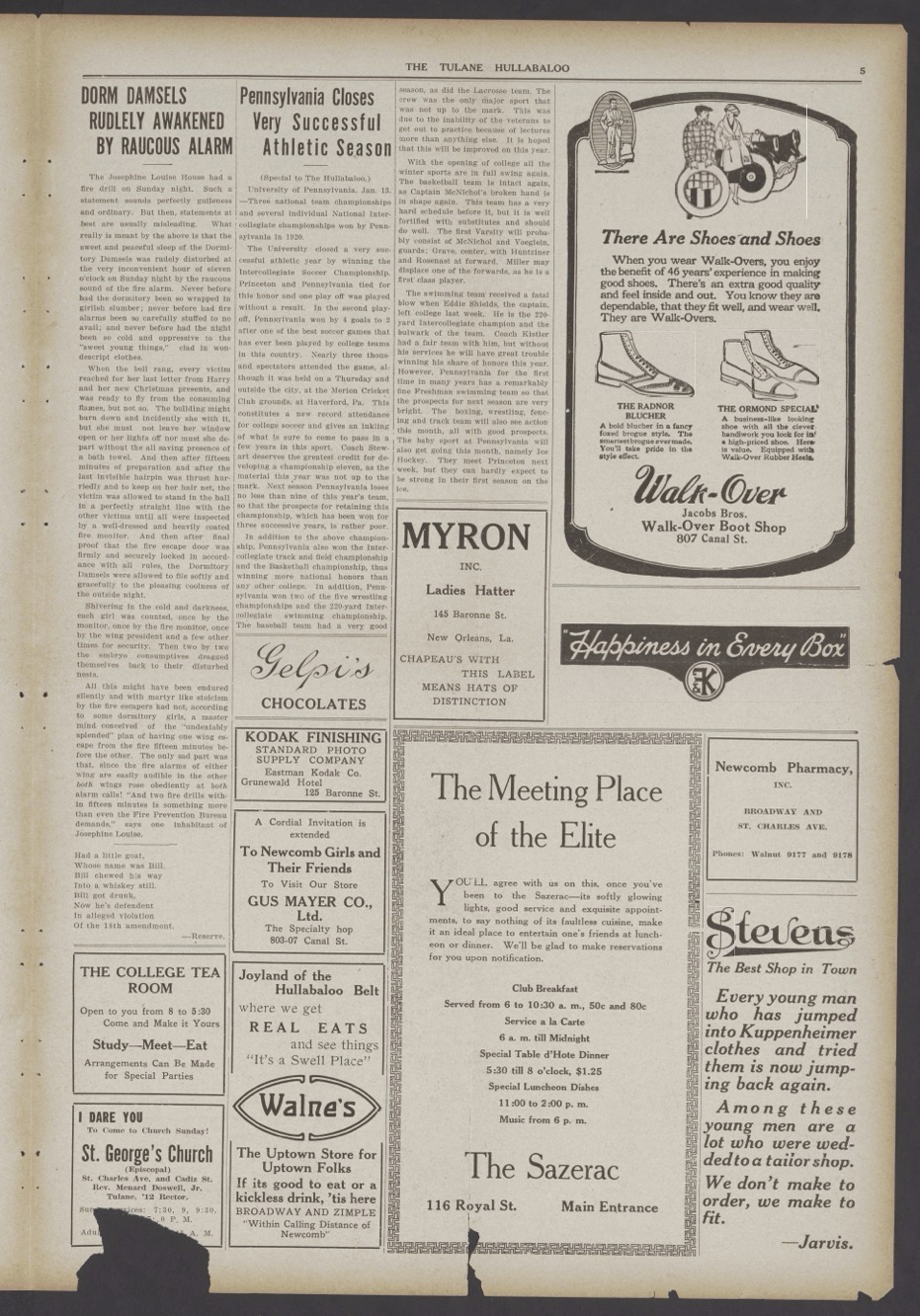
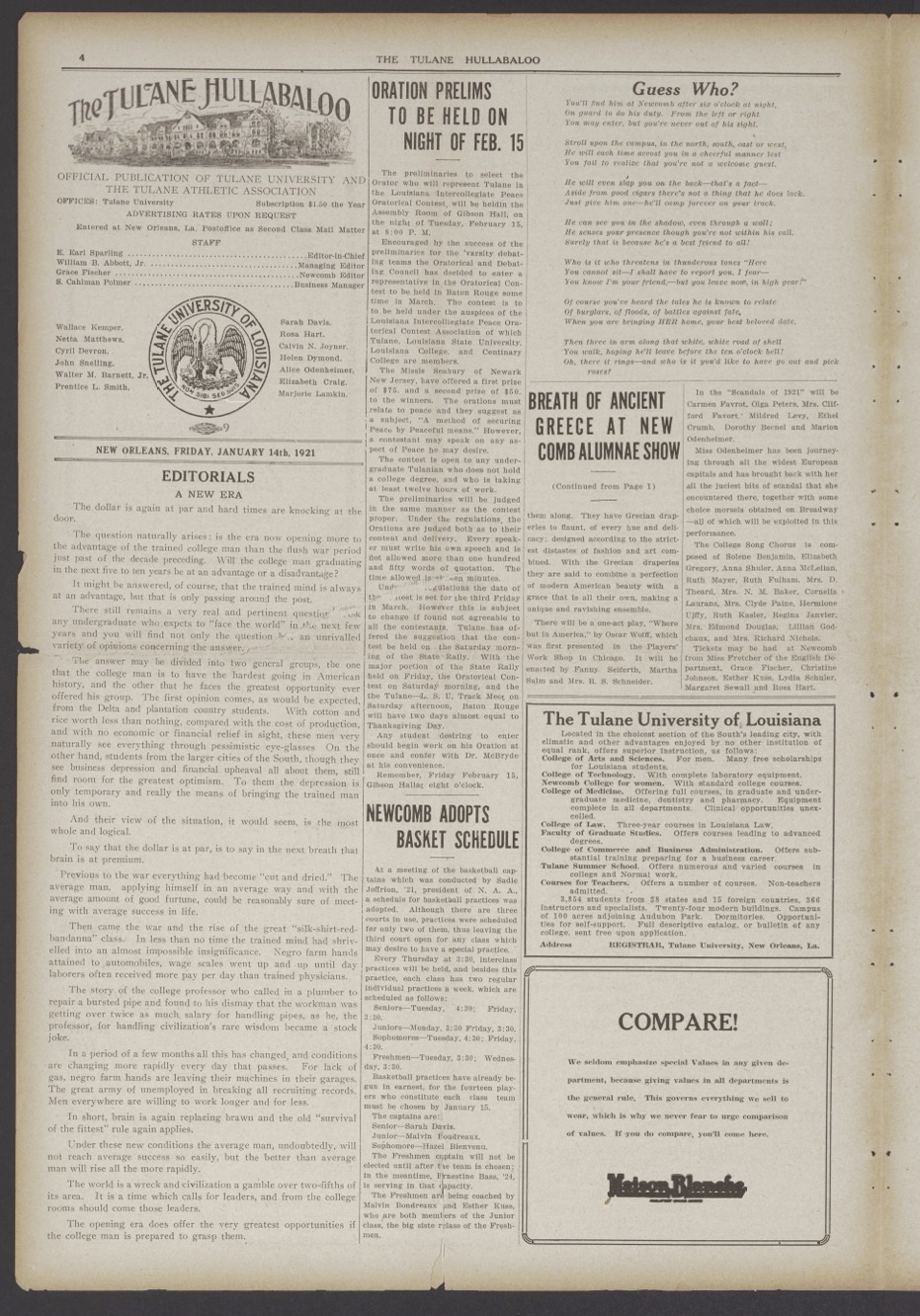
Volume 16 of The Hullabaloo on Jan. 14, 1921 featured an alumnae show, a beautiful man coming to Newcomb and debate preliminary rounds approaching.

-
-
-
-
-
-
-
-
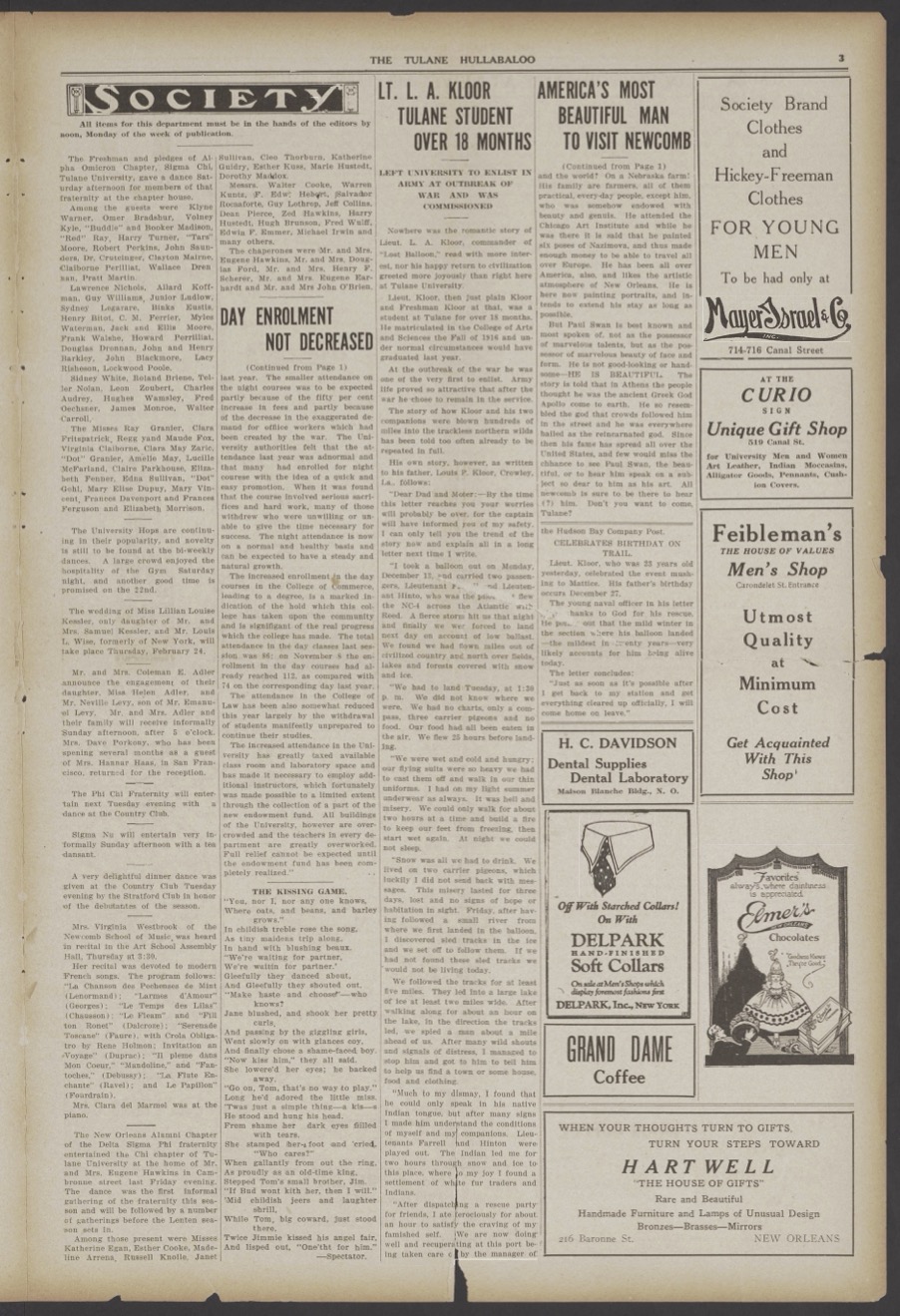
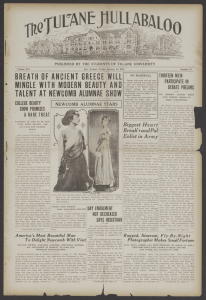
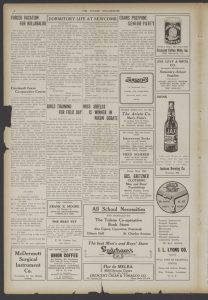
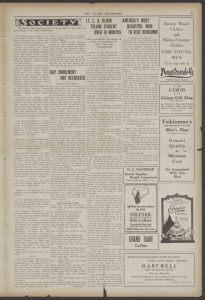
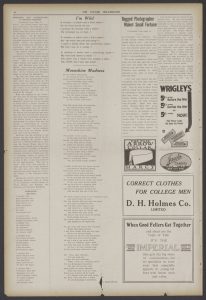
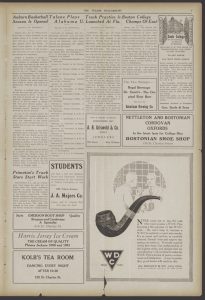
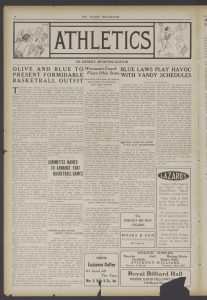
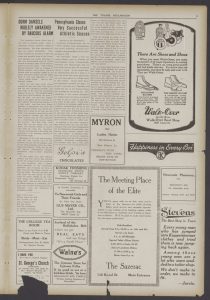
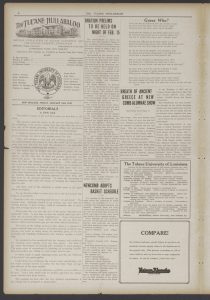
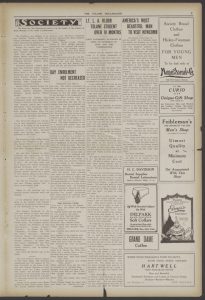
Tulane University’s past has been published again, with more than 130 years of student journalism brought to life in a new digital archive.
The project unites a full century of Tulane’s student newspapers – from early publications College Spirit, Olive and Blue and The Tulane Weekly to the modern Tulane Hullabaloo. The archive spans roughly 3.5 terabytes — enough storage for 875 full-length HD movies — documenting Tulane’s papers from 1894 onward. College Spirit’s short-lived forerunner, The Rat, is missing from the collection, as no known copies exist.
“There is no reason for it not [to be digitized],” said Lindsay Cronk, the dean of libraries and academic information resources, who helped lead the project. “We should own this record as an institution. Otherwise, when researchers 100 years from now look back, how will they have access to these resources?”
Early in her tenure, Cronk said she was approached by a private donor who wondered, “‘How is this project not digitized already?’” The donation gave the project long awaited momentum.
The effort brought together teams from Tulane University Special Collections and Digital Scholarship and Distinctive Collections, including Ann Case, university archivist; Donna Capelle Cook, director of technical services; and Pat Vince, associate dean for digital scholarship and distinctive collections
After a year of preparation, a team led by head of collection management Jennifer Waxman shipped two pallets of bound newspapers to Backstage Library Works, where each page was photographed using high-resolution cameras on copy stands, a faster and safer method than traditional flatbed scanning. BSLW also performed optical character recognition processing, allowing every issue to be fully text searchable.
When the digital files returned to New Orleans, the meticulous process of organizing, reviewing and uploading them began.
“We did about a 10% quality control check at different points of the process,” digital production librarian Madeleine Wieand said.
The review, she explained, was done at several stages of digitization to catch inconsistencies and ensure accuracy across the breadth of files. Working closely with metadata librarian Jane Fiegel, Wieand verified that each issue’s metadata and identifiers were correct before the final upload.
Following the Federal Agencies Digital Guidelines Initiative, a set of guidelines for best practices when it comes to digitizing old content, the team avoided cropping or altering images to preserve the newspapers’ authenticity. The files are now stored in Tulane’s digital repository, ensuring the collection will remain accessible for decades to come.
To Cronk, the archive is both a preservation effort and a connection, a living record of Tulane’s evolving identity. She illustrated the idea with a story: a rare New Orleans snowstorm she witnessed herself, and another The Hullabaloo reported nearly a century earlier.
“Those are the opportunities that come from maintaining this archive,” Cronk said. “When we’re doing the work of reporting and journalism — and when we’re … making sure the archive exists — [those moments] are going to keep happening. That impact and resonance can’t be undersold.”
She is eager for students to use the resource in new ways — identifying patterns across decades of coverage and exploring how language around freedom of speech, campus life and culture has shifted over time.
Open to the public through Tulane’s Digital Collections website, the archive stands as both an academic resource and a celebration of student journalism.
“This wasn’t just important, it was necessary,” Cronk said. “Getting it done is absolutely a milestone, but it’s just a reminder that we can do so much more.”