

It was something of a shock the first time I encountered an old edition of The Hullabaloo in our office archives. I had seen the big bound editions of the paper going back to the late 1960s, but this was a truly old one, from 1927, and it looked its age: The pages were almost amber in color and had lost all their crispness, and the text was clearly typeset, each letter having been carefully placed on the printing template.
I had been rearranging the office over the summer when I found it at the bottom of a drawer. Now, it sits on top of my desk in The Hullabaloo’s office, where the other editors and I can show it to new writers when they come in for the first time. It’s always fun seeing people react to the ads for tobacco for the Tulane men and spring frocks for the Newcomb girls.
Beyond this, though, that old copy of the Hullabaloo serves to remind me that our job as editors is not just about ensuring the accurate and timely coverage of events happening today, but also to generate an archive, a living record of a community. Maybe the editors in 1927 would laugh to hear me speak about their paper now in such grand terms — I imagine them up late at night, smoking cigarettes and clacking away on typewriters to fill the last bit of space on a page with whatever fluff piece they could think up then — but I believe this is true, nonetheless.
Despite its occasionally unserious content and silly name, The Hullabaloo was born from a serious journalistic impulse. Before it was founded in 1905 as “The Tulane Weekly” (the name would change to the current one in 1920), Tulane’s newspaper was essentially run by the school administration, not the students. In the words of the editors of the first edition of The Tulane Weekly, which now serve as something like our Magna Carta:
“The organization of this paper is the result of a dispute between the student body and a few individuals at The Olive and Blue [the former student newspaper]. If a few students have a right to publish a periodical under the name of the University, and represent it as a student publication when the students have no voice in its management; then this paper has no right to an existence.”
One hundred and twenty years later, the student newspaper proudly retains its editorially-independent status. Unlike many other college publications, The Hullabaloo also remains primarily funded by donations and ad sales, not the institution that houses it, and our staff are unpaid. In fact, The Hullabaloo is the only one of its peers in the group of the most awarded college newspapers to have this fiscal status. We’re in New Orleans after all; that is, we make good use of the materials we have.
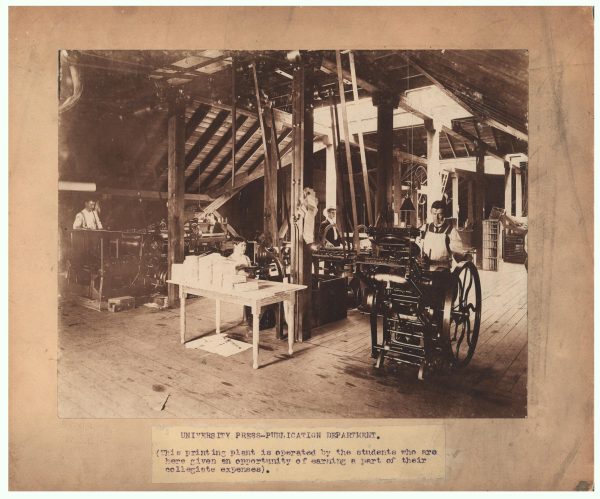
This anniversary is a time to reflect on the history of this paper as an institution. I’m writing this letter to you readers in 2025, but also those readers years from now who are curious about what was happening in what I hope they don’t have reason to refer to as the good old days.
To be frank, the free student press has seen better days, although things aren’t as bad as they could be. There have been some cases of outright censorship or students being targeted for their reporting, like at Indiana University and the University of Texas at Dallas. There have been many more cases of student journalists being concerned for their safety and that of their sources, as the government threatens to revoke the visas of international students and workers.
Of course, these concerns aren’t entirely new — just read some of The Hullabaloo’s reporting from the 1960s — but they have a new urgency because of today’s extreme connectedness, where anyone in the world can read our content. That global reach is a gift, but it also means our words can carry consequences far beyond campus borders. The responsibility that comes with that reach has never been heavier, and the stakes for preserving a free student press have maybe never been higher.
Mostly, though, we carry on, week by week, doing the best we can to cover the complicated community of Tulane and New Orleans. There are rewards sometimes: The Hullabaloo just was named a Pacemaker Finalist and recipient of eight Pinnacle Awards from the College Media Association, including third place in the category of “best periodical newspaper.” This recognition is a testament to the dedication of all the dozens of students involved in this publication and a happy reflection of many horrendously late nights in the office; but an even greater accolade would be simply in the continuation of this publication for the 120 years to come.
On this anniversary, I encourage you to reflect on what Tulane might look like now if this newspaper did not exist to bring both the good and the bad to light and, sometimes, to promote change. Who asks the questions that no one wants to answer and holds power to account? Who documents the moments on campus that would otherwise be forgotten? The future of the free student press depends on those who believe in its value.