


The rise of recession pop has shaped the American music psyche in the past couple of years. From albums like Charli XCX’s “Brat” to Lady Gaga’s single “Abracadabra,” the overarching theme is simple: Dance and pretend everything is fine. Is the economy crashing? Who cares — at least I look hot.
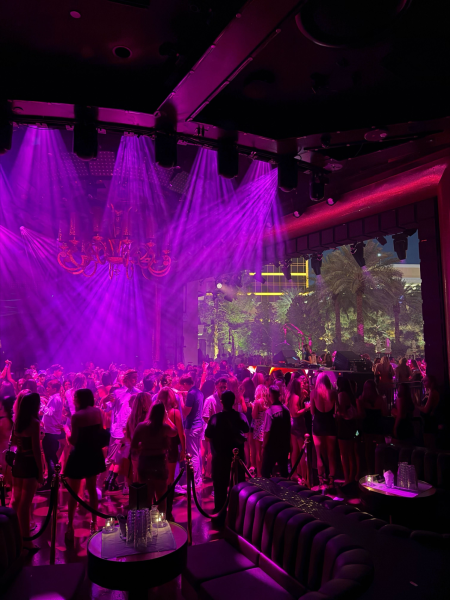
This “recession indicator” meme echoes the cultural era of 2009-2012, when post-recession clubbing was popularized by shows like “Keeping up With the Kardashians” and “Jersey Shore.” This phenomenon can be traced back to the 1920s, when Americans partied through post-war and post-pandemic uncertainty. Sound familiar? Even today, as tariffs spike consumer prices, and the wealth gap reaches record highs, the bottles are still popping and the music is bumping.
Consumer confidence is at its lowest level in 12 years, almost everyone is changing their spending habits and over half of us expect a recession to hit soon. Despite that, party culture continues to thrive. Nightlife in New Orleans contributed over $350 million in revenue for the city last year.
With TikTok’s trend of the “recession indicator” among Gen Z, college students are proving that for some, a recession can just be an excuse to party harder. We were raised on the escapism of 2010s pop, even if we were too young to live it. An NBC News article put it best: “Some Gen Zers are nostalgic for an era of clubbing they didn’t get to experience.”
Tulane University fits in easily. From expensive weekend trips to Las Vegas, where clubbing is the only item on the docket, to Halloween weekend clubs packed with Tulanians, students participate enthusiastically in this “recession” clubbing trend. Posh, a social event platform popular among students, lists weekly local clubbing events, including some hosted by Tulane organizations. Mardi Gras only amplifies this pattern: Last year, one of the top student-attended events was the Mau P event at The Metropolitan Nightclub, and that pattern will likely repeat this year.
While plenty of students still engage in traditional Mardi Gras activities, there is still an overwhelming drive toward nightclubbing. But why?
Clubbing will never go away for college students, certainly not for Tulanians, even during a recession. In these politically and economically trying times, clubbing is a way for students to forget the outside world’s troubles and escape into a different world. Recession pop offers the illusion of control: If everything is falling apart, at least we can choose to dance through it. If the economy is tanking, wouldn’t you want to party like there is no tomorrow? The world feels like it is burning, students are drowning in debt and clubbing provides a curated fantasy where none of those problems exist.
So for now, the drinks are poured and the clubs remain packed. Whether that is denial or resilience is up for debate, but for Tulane students, it is their reality.
Lee Mueller • Dec 11, 2025 at 4:47 pm
We must all get a job, to keep the economy going and provide resources for the never ending party.
Lee Mueller