


-
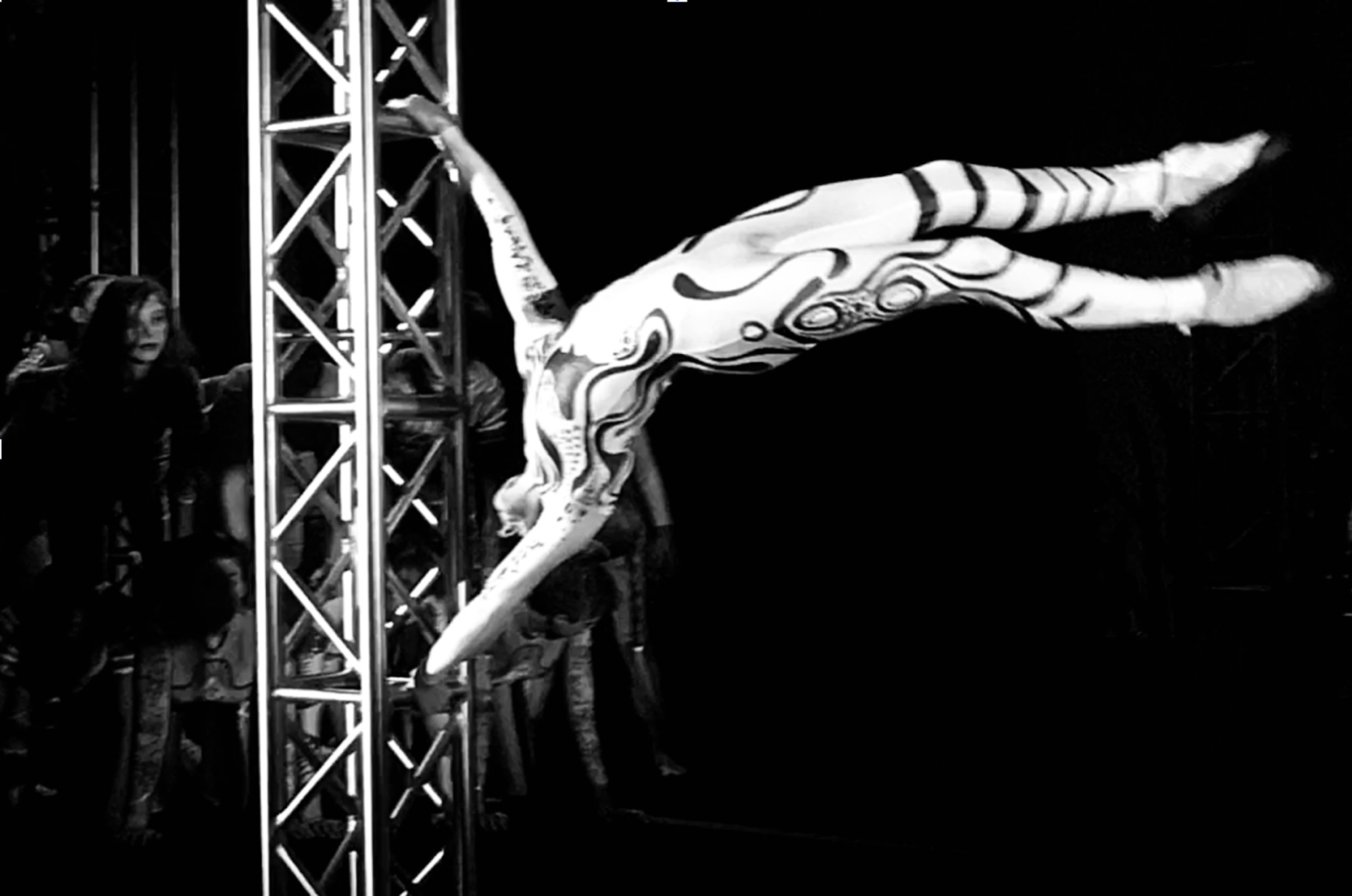
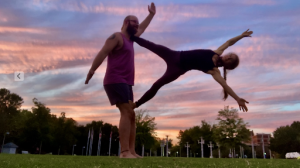
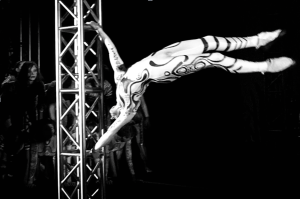
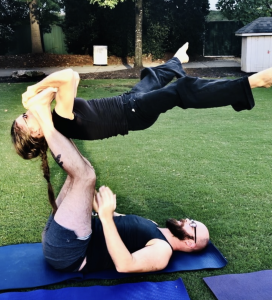
Philosophy and gender and sexuality studies professor Georgi Gardiner is a circus performer outside of the classroom.

-
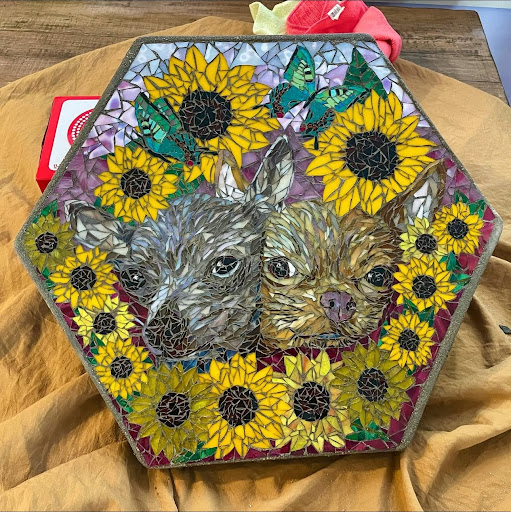
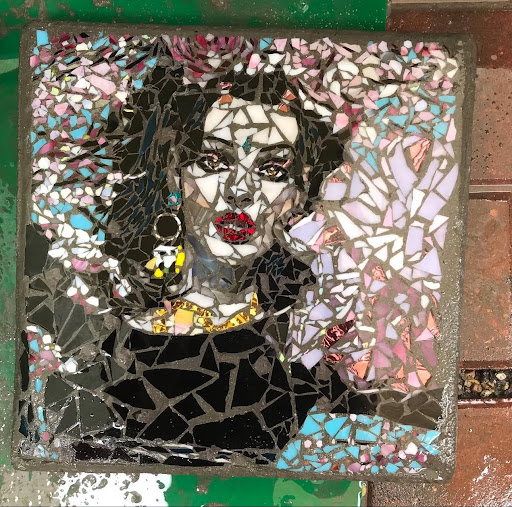
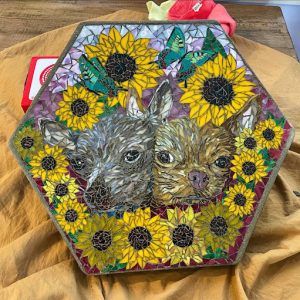
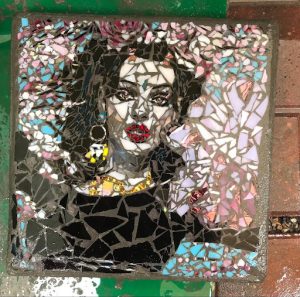
Associate director of first year writing and senior professor of practice Laura Marks often creates mosaics as gifts for students.
-
-
-
Students often know their professors for professional accomplishments — their scholarly expertise, published works and academic awards — but we see only a small fragment of the lives of our instructors. Beyond the classroom, lab or lecture hall, professors fill their lives with unique talents and hobbies.
Scott Nolan, senior professor of practice in American politics, involves himself in more than 10 student organizations and campus activities. His work in the world of law, activism and social justice consumes a great deal of his time and energy, yet he finds sanctuary from the exhausting world of politics in a grounding and tranquil arena: his lavish garden.
“I pay attention to politics, which is a people’s business, definitely, but spending time gardening outside reminds me that I am one species of many on this planet,” Nolan said.
Nolan inherited a small piece of land from his aunt and transformed it into a blossoming meadow of wildflowers, providing a haven for the honeybees he raises. His current hives each house a queen named after a Greek goddess — Felicity, Minerva, Athena and Pomona. Students of Nolan get a taste of the bees’ labor, receiving small jars of fresh honey at the end of each semester.
“Counterintuitively, I’m not a constant eater of honey … I love knowing that I give it as a gift to others who love it a little bit more than I do,” Nolan said.
While serving as an escape from burnout and political stress, tending to his garden and raising several hives of bees also provides Nolan with a unique perspective on his field of work that he could not gain from other humans.
“It’s very healthy to see other living things … in the garden,” Nolan said. “These things, I think, remind us that we are human and remind us that we are one species inside of a bigger nature, and that we’re supposed to probably look out for each other’s rights and equity.”
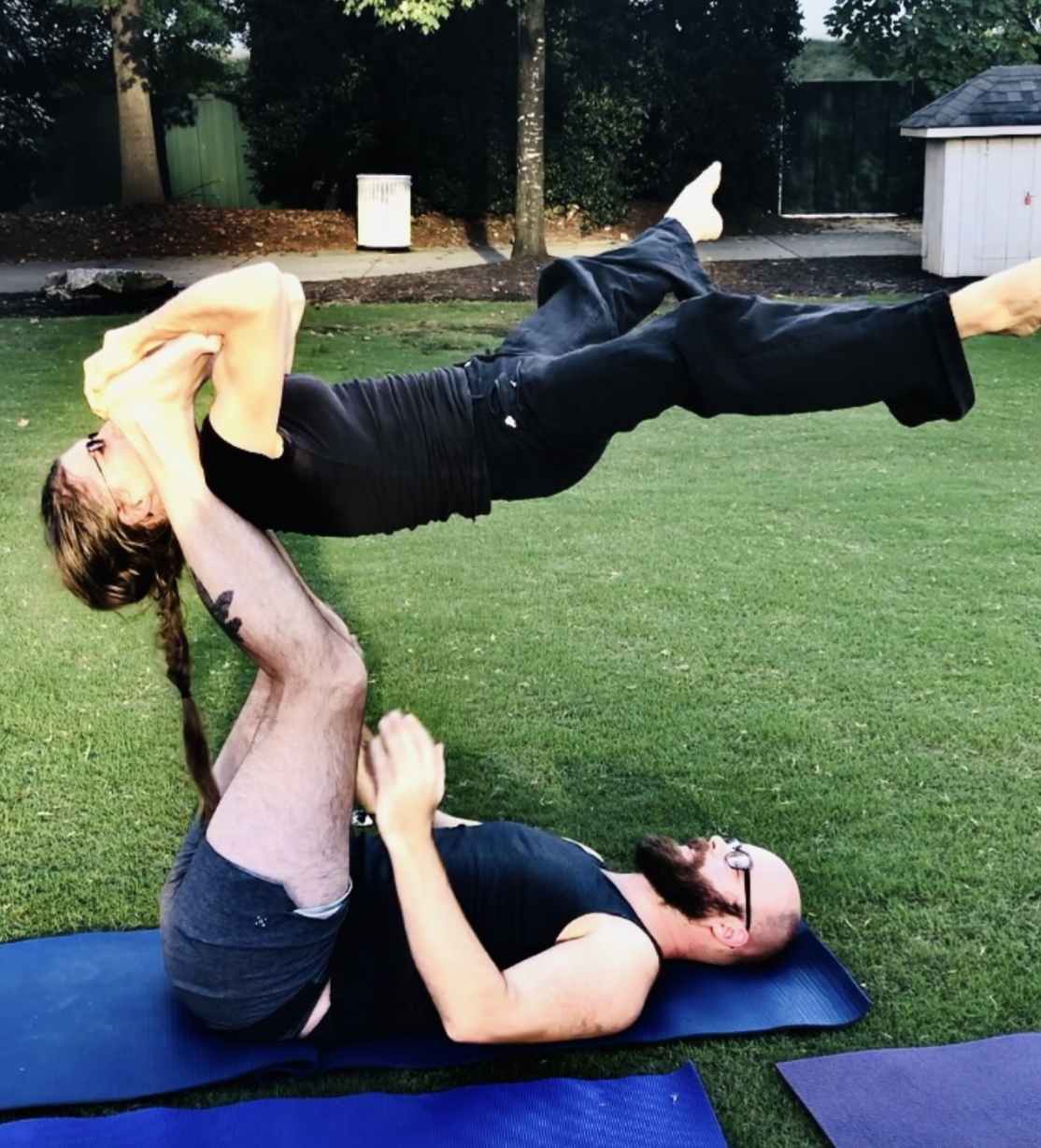
Georgi Gardiner, associate professor of philosophy and gender and sexuality studies, has been a circus performer for many years, dating back to her start with the Beltane Fire Society in Edinburgh, Scotland. After moving to the United States, Gardiner started the Acro Jam of Knoxville, Tennessee, and now participates in acrobatics twice a week in New Orleans. She is trained in lyra, trapeze, fire performing and more.
In a career focused on professionalism and advancement, Gardiner said she experiences a sense of freedom and youth through the circus.
“I really don’t like to use the ‘young at heart’ kind of terminology, because I think vibrancy, it’s associated in our culture with youth, but I think old people have a really beautiful way of being vibrant too,” Gardiner said. “I think both children and adults play, but sometimes in different ways. And circus keeps everybody playful and creative.”
With such a wide variety of acts and pieces, there is a niche in the circus for everyone. Gardiner said she enjoys the inclusive nature of circus that many other activities lack and the diverse community it creates.
“It’s such a beautiful way to bond and interact and have community with others,” Gardiner said. It’s very supportive. It’s non-competitive, and it’s a way of moving your body and being creative.”
While Gardiner already uses her lessons from the circus to foster creative community in her classes at Tulane, she imagined that the circus could play an even larger role on campus.
“I think Tulane would be an amazing location to set one up,” Gardiner said. “Tulane loves to do city outreach … and it’s really good for young people to be in this kind of community.”
Acrobatic ability isn’t the only way professors find freedom through precision. Laura Marks, associate director of first year writing and senior professor of practice, spends hours creating glass mosaics that depict people, pets and pop culture references. Marks often creates mosaics as gifts for students.
Marks discovered her talent for creating glass mosaics after being introduced to the art medium by a friend. The time-consuming process involves gluing small glass fragments upside down, so Marks doesn’t see the final product until she’s finished.
“I get a lot of people commissioning me to do their pets that passed away,” Marks said. “It has to look exactly like their pet, and I’m doing it without being able to see it, so it definitely is a process.”
Marks often takes on the high-pressure, yet rewarding task of creating mosaics that memorialize a lost pet or loved one. It is important to her that she gets it right each time, in order to correctly capture someone’s image in the colorful glass pieces.
“That’s the anxiety part, is making sure you get it right, but … when you pass it over to them, and they’re really emotional about it, it’s like, ‘I did it right?’” Marks said.
Marks said she finds herself in an unusual position, spending hours staring at pictures of someone else’s deceased loved one in the effort to capture their memory.
“You’re looking at either someone’s dead pet for hours, scrutinizing every hair, trying to get those eyes just right.” Referring to a specific memorial mosaic of a client’s mother, Marks said, “It was a unique experience, because at the end of it, I was kind of like, ‘oh, well, bye. It was nice to know you.’”