


This time of year is cuffing season — the season from late fall to early spring where single people seek companionship during the colder, less social months. Social media reinforces the idea of cuffing season through viral trends and seasonal relationship content that frames romantic relationships as inevitable. It may seem like a lighthearted trend, but this time of year isn’t truly about love — it’s an expectation. If you are not partnered, it can feel like you are failing.
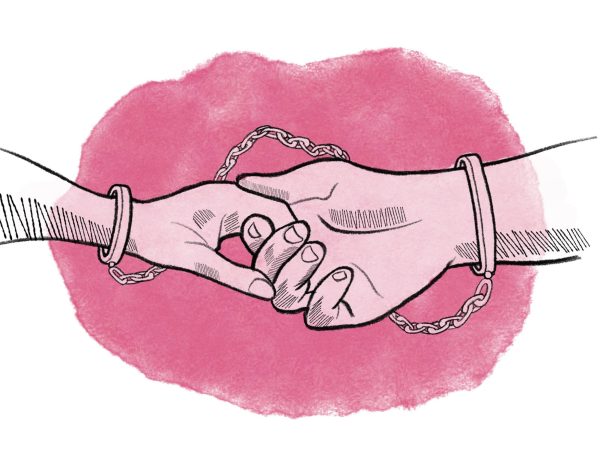
(Nathan Rich)
Just a month ago, festivity was abundant and Instagram feeds were filled with couples with matching pajamas, watching movies, baking and spending holidays with each other’s families. On a campus like Tulane, those images spill into daily life. Before winter break, you see couples holding hands or wearing each other’s sweatshirts, a visibility heightened by college hookup culture.
Soon, Valentine’s posts will flood social media with couples showing each other off. Candy grams will be all over campus, signaling who is celebrated and who is not. This can be overwhelming for single people, making them feel like they are not reaching societal standards.
Most people think cuffing season fights loneliness and celebrates connection. In reality, it can create an unrealistic standard that everyone should have a significant other, and that it should be publicly displayed. If you aren’t posting online with a romantic partner, people will know you’re single. Cuffing season, as a cultural script, promotes loneliness by turning romance into a social requirement rather than a personal choice.
Being coupled becomes the default. Being single can feel wrong. A relationship stops feeling like a choice and more like a social mandate. Your preference is often questioned during this time — whether you want to be single, are “talking” to someone or are stuck in a situationship.
Couples’ visibility on campus can fuel comparison and insecurity. On a campus where students already struggle with stress, mental health and self-worth, cuffing season adds another metric for feeling behind. Cuffing season is impossible to ignore, which makes loneliness harder to escape.
Instead of alleviating loneliness, cuffing season often deepens it. Rushed relationships form out of insecurity and singles feel isolated and ashamed, internalizing the idea that something is wrong with them. Cuffing season becomes a recipe for emotional burnout.
Cuffing season could be reframed as a time for intentional reflection rather than a rush to fill the quiet of winter with a relationship. Space is essential. Space to study without distraction, to build consistency in routines and to reconnect with personal goals that get lost during busier months. Winter does not have to be something you need another person to survive.
On a campus like Tulane, where productivity and social visibility often compete, choosing to take a step back can feel countercultural. There is a pressure to always be seen, paired or performing happiness. But growth rarely happens publicly. It happens in moments where no one is watching.
Working on yourself does not mean rejecting connection altogether. It means refusing to treat romance as a requirement for self-worth. The colder months can be a reset — a chance to prioritize mental health, academic focus and personal stability without the expectation of romantic fulfillment. That kind of self-investment lasts longer than any seasonal relationship.