

ByteDance finalized a deal to transfer majority ownership of TikTok to American companies on Jan. 22. Since then, uninstalls of the app have surged.
If you’re a young person, TikTok is likely an important way to interact with and learn about the world. Forty-three percent of adults under 30 regularly get their news from the video app, so it is no shock that much of the controversy surrounding the Chinese-made platform reflects broader political movements here in the United States.
In July 2020, Trump insisted he would sign an executive order to ban the app altogether due to “national security concerns.” In March 2024 under Biden, U.S. Congress overwhelmingly voted in favor of banning it for the same reason, despite its use by 170 million Americans.
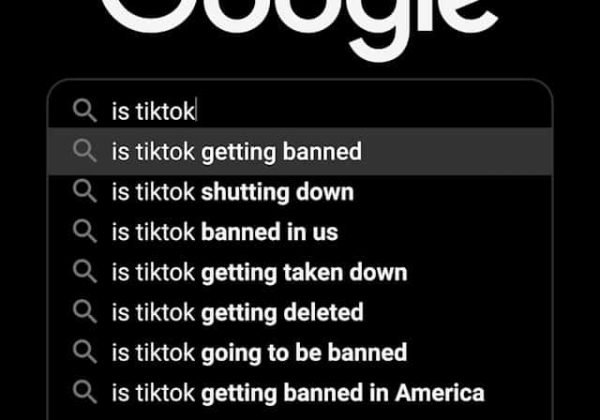
Just as the bill was going into effect in January of last year, Trump issued an executive order pausing the ban for 75 days and the app re-emerged with a notification thanking Trump. The president seems to have changed his mind in those five years, as he insisted that TikTok had helped him win.
Although the app has been labeled “state-controlled media” by figures such as California state Sen. Scott Wiener, what the past year and a half reveals is that TikTok posed a genuine threat to the status quo of American politics.
Not even First Amendment arguments, which the Supreme Court nearly always favors, could save TikTok from its initial banning. In other words, it is not that the political elite cared about your data security — if they did, some American apps would be banned many times over — but that TikTok gave platforms to suppressed, heterodox viewpoints.
Among the most visible of these was content critical of Israel.
This is not to say that concern for national security and widespread prejudice on the app was not a problem worth addressing. Rather, the record suggests that our politicians’ true motivation for TikTok’s banning was neither of these issues.
The intentions are clear when we consider the new, American-owned TikTok. The app is now owned by an investing group headed by Oracle, whose executive chairman is Larry Ellison, a confidant of Trump.
Upon finalization of the deal, users reported that videos critical of Immigration and Customs Enforcement or Trump were suppressed. Additionally, messages including the name “Epstein” are labeled too inappropriate to be sent on the app.
These changes may reflect Trump’s agenda, but his influence exists only because of bipartisan agreement on American foreign policy. Many Democrats and Republicans have either adopted either hawkish stances on China or continue to support Israel.
TikTok’s forced restructuring shows how quickly free speech becomes expendable when it interferes with bipartisan priorities.