


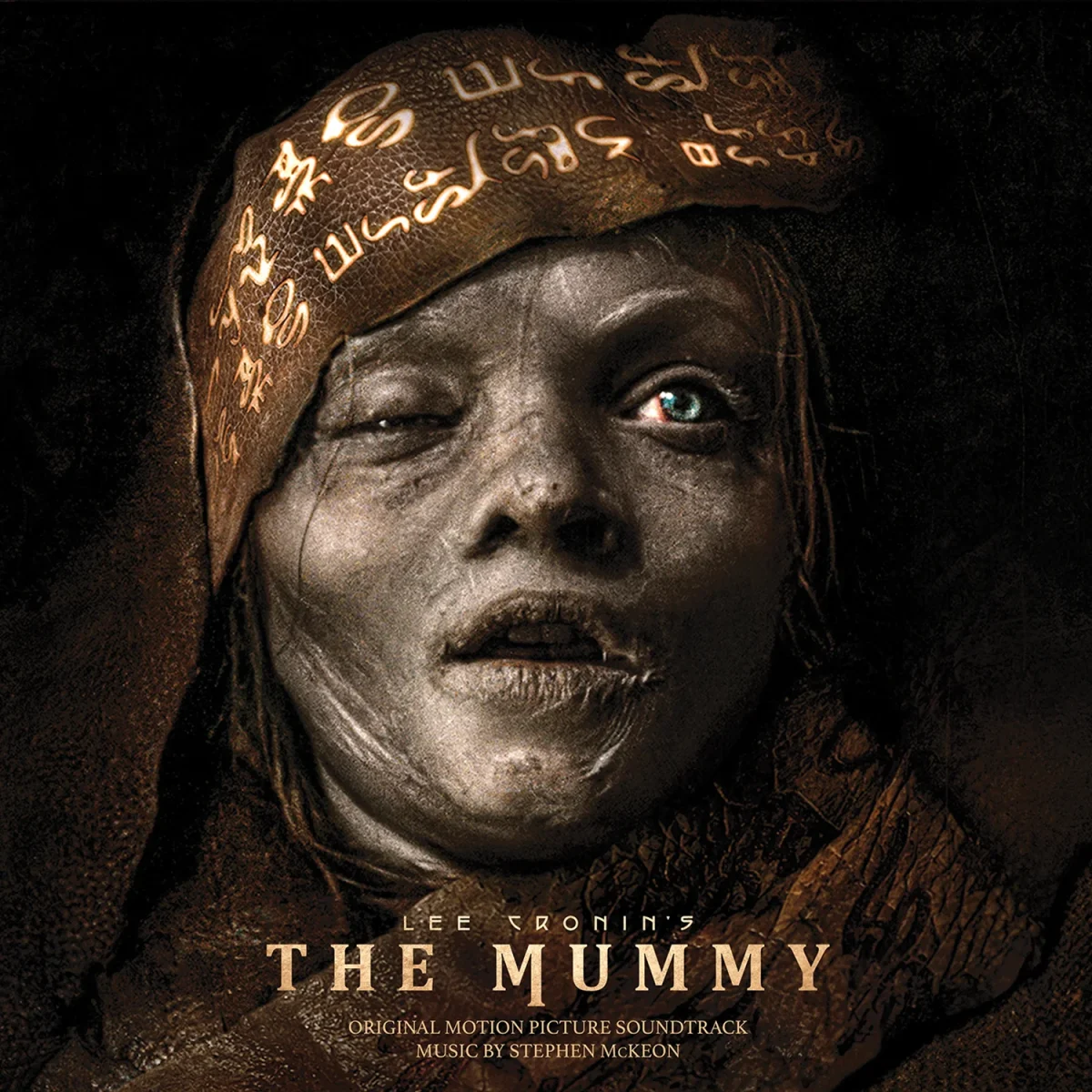
Spring isn’t known for decay, and neither are mummies. Though “Lee Cronin’s The Mummy” has some good elements that keep everything intact, it falls short of offering compelling horror.
Reporter Charlie Cannon, played by Jack Reynor, and his wife, Larissa, played by Laia Costa, are eager to leave Egypt and return to the United States. However, the disappearance of their daughter Katie haunts their time in both locations.
A new mummy discovery in Egypt sheds light on Katie’s disappearance, and Charlie and Larissa must put the pieces together to solve the mystery.
The film’s two settings — Albuquerque, New Mexico and Cairo, Egypt — are well-selected. Their shared arid climate keeps the mummy’s presence from seeming out of place, and the vastness heightens the sense of the characters’ isolation.
The cinematography is very effective at heightening the feeling of being alone. The film frequently uses the split diopter shot, a technique that focuses on two subjects at once, which emphasizes characters’ emotions while using visual distance to suggest unspoken tensions between them. The film also employs wide-angle shots, drawing the viewer in.
Music successfully creates irony in the film. Manfred Mann’s Earth Band’s “Blinded By The Light” plays just before Charlie and Larissa receive an update about their daughter. The upbeat song plays just before they hear the good news and begin to faint.
The dialogue suffers from being cringy and cliché. Climactic moments are often punctuated with cheesy lines such as “Don’t worry, Grandma. It’s fun to be dead,” which weakens the horror.
Charlie’s private meeting with Professor Bixler — played by Mark Mitchinson — is supposed to be significant, but instead underwhelms. The scene suggests that Bixler will tag along on the adventure, but then he is never featured again.
Once the monster behind the mummy is revealed, the horror gets out of its box.
Characters’ cringy one-liners are abundant in the climax. Just as I thought someone would die, they somehow survived. The mummy becomes so overwhelming that it’s almost laughable, and the horror becomes completely unbelievable.
Despite the horror’s downward spiral, “Lee Cronin’s The Mummy” is a genuinely disturbing and visceral watch. In one scene, a possessed character spits blood on food at a funeral, and some guests unknowingly consume it.
Although it has enjoyable cinematography and atmosphere, “Lee Cronin’s The Mummy” leaves me wanting less, not more. Only time will tell how this mummy fares among the rest.