


Glass Half Full, a New Orleans-based glass recycling company founded in 2020 by two Tulane University alumni, is expanding with a new recycling facility in Chalmette, Louisiana, and a partnership with the French Quarter Management District.
The company has collected 13 million pounds of glass to date, up from roughly 1 million pounds in its first year of operation. Glass Half Full converts recycled glass into sand and gravel used in coastal restoration projects.
“We’re crushing more glass than ever,” said Ricky Ostry, head of commercial sales at Glass Half Full. “We have about twice as many commercial partners as we did when we started.”
The company’s new St. Bernard Parish facility sits on a 3-acre site in Chalmette and spans 10,000 square feet, with a recycling capacity that exceeds 300,000 pounds of glass per day. The expanded capacity will allow Glass Half Full to widen its collection radius to several surrounding states.
The company recently partnered with the FQMD on a pilot recycling program. This initiative, launched in March 2026, aims to collect 10,000 pounds of glass at six French Quarter businesses.
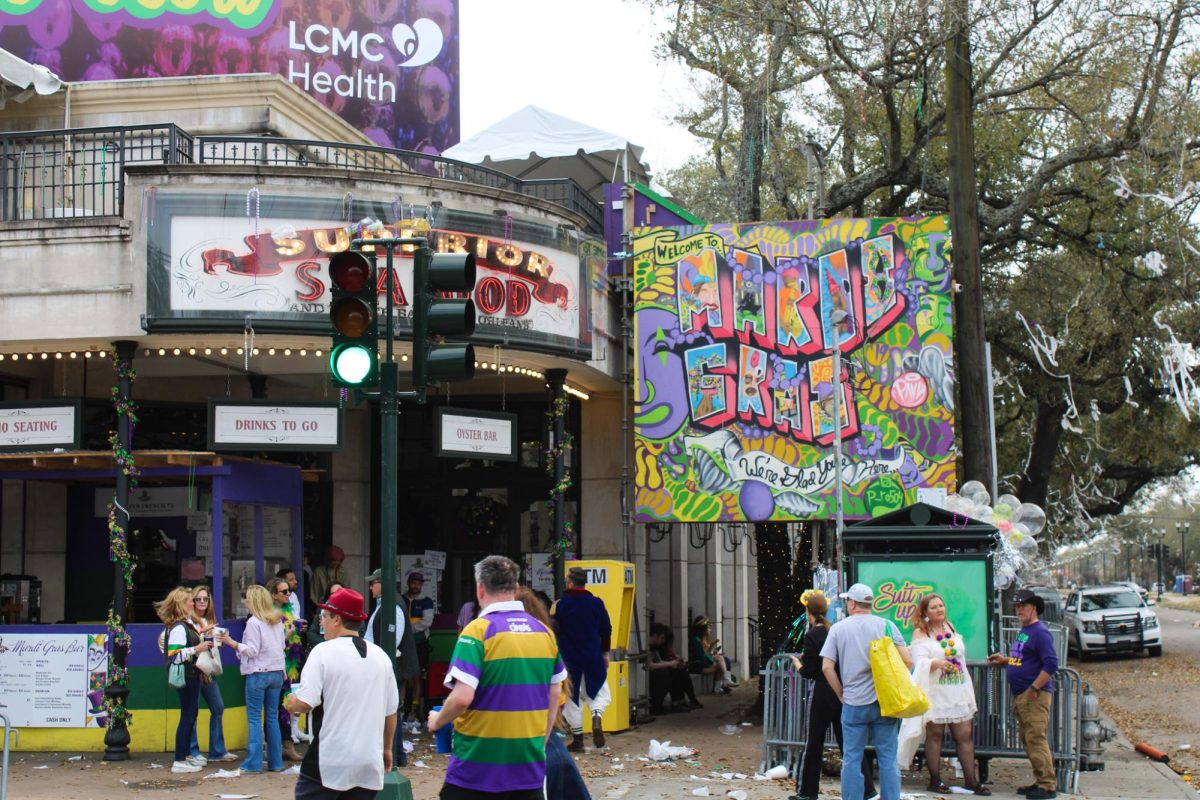
These businesses are part of a broader Grounds Krewe initiative called Raise the Bar. Participating bars were provided with free glass and aluminum recycling along parade routes during Mardi Gras.
Ostry said the district covered the costs of the first month of glass recycling for participating businesses. Then, they received an $8,500 grant for the project from Keep Louisiana Beautiful, a state agency under Lt. Gov. Billy Nungesser’s office.
Ostry said that one of the biggest challenges that the French Quarter presents is changing how an old city thinks about waste.
“How do you change waste infrastructure at a restaurant in one of the oldest neighborhoods in the country that’s been doing things a certain way, in a city that resists change?” Ostry said.
Ostry also said the company’s mission goes beyond commercial partnerships. They prioritize equitable access to recycling services.
“One of the biggest barriers to sustainability is the cost,” Ostry said. “Making sure that everybody — not just people with money — have access to sustainability is really important to us.”