


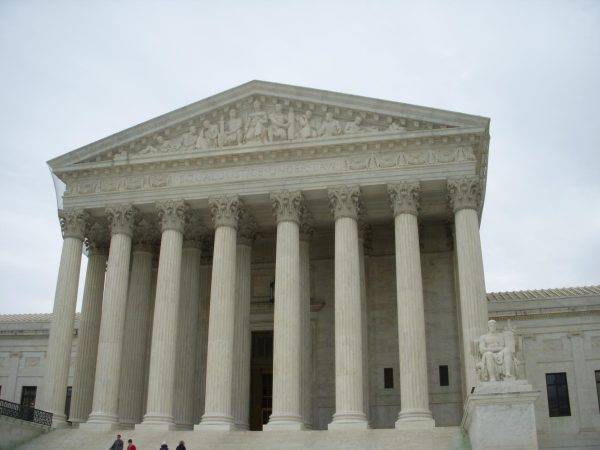
The U.S. Supreme Court has ruled in favor of oil companies in Chevron USA Inc. v. Plaquemines Parish, Louisiana, a move that will further solidify the oil industry’s control of the Louisiana coastline.
The parish sued on the basis that Chevron violated the terms of the Louisiana State and Local Coastal Resources Management Act of 1978 and failed to restore the coastline, to which Chevron claims to hold no responsibility.
The ruling allows oil companies to move cases from state to federal courts, which are regarded as more industry-friendly. As a result, companies can avoid facing the growing number of lawsuits brought against them in state and local courts.
The oil industry has damaged Louisiana’s coastline and negatively impacted the health and quality of life of residents, all while supporting local and state policies that shut down research proving so.
Louisiana is currently battling a land-loss crisis, having lost land roughly equivalent to the size of Delaware over the past century. Oil and gas-related activities damage the local ecosystem by disrupting natural water movement, deteriorating marine habitats and introducing toxins.
The health risks of living near a petrochemical plant are well established.
An 85-mile stretch of land along the Mississippi River has been dubbed “Cancer Alley” due to the 95% increased risk of cancer that residents have in comparison to the rest of the country. Over 200 fossil fuel and petrochemical production plants exist in this area, which is responsible for 25% of the U.S. petrochemical industry’s production.
The plaintiff, Plaquemines Parish, had the support of Louisiana Gov. Jeff Landry and Attorney General Liz Murrill, who have typically been in favor of deregulating the oil and gas industry while devoting little attention to climate change and the environment.
Yet, the companies surpassed the will of local residents and the government.
The fossil fuel industry retains its influence in major climate change institutions, government and in academia through its supposed cooperation with movements for decarbonization and transitions to clean energy. Despite years of promises to be “part of the solution,” oil companies have contributed little to supporting clean energy.
Faculty of both Tulane University and Southeastern Louisiana University experienced the magnitude of the industry’s influence first-hand when they suffered repercussions for conducting research seen as threatening to the industry.
Chevron has been allowed to proceed with the lawsuit on claims that the work began before the Coastal Resources Management Act was put into place.
While legal interpretation of the act has deemed the violation momentarily permissible, the corporations certainly do not, as they claim, have the climate’s best interests at heart. Ultimately, the Louisiana climate, and thus, Louisianans, will be the ones to suffer.